
The pressure to ensure accessibility, affordability, quality and sustainability, while leveraging technology in healthcare, will be on in the coming year.
As healthcare moves into the future, the quest for quality and affordability continues to be the key driver for transformation.Traditional healthcare is often said to be more “disease-care” than “healthcare”, with healthcare systems focusing on caring for the sick, expanding and improving infrastructure, and figuring out long-term financing for healthcare in an aging population. Increasingly, both medical science as well as consumers are recognizing that prevention is better than cure, especially for chronic diseases.
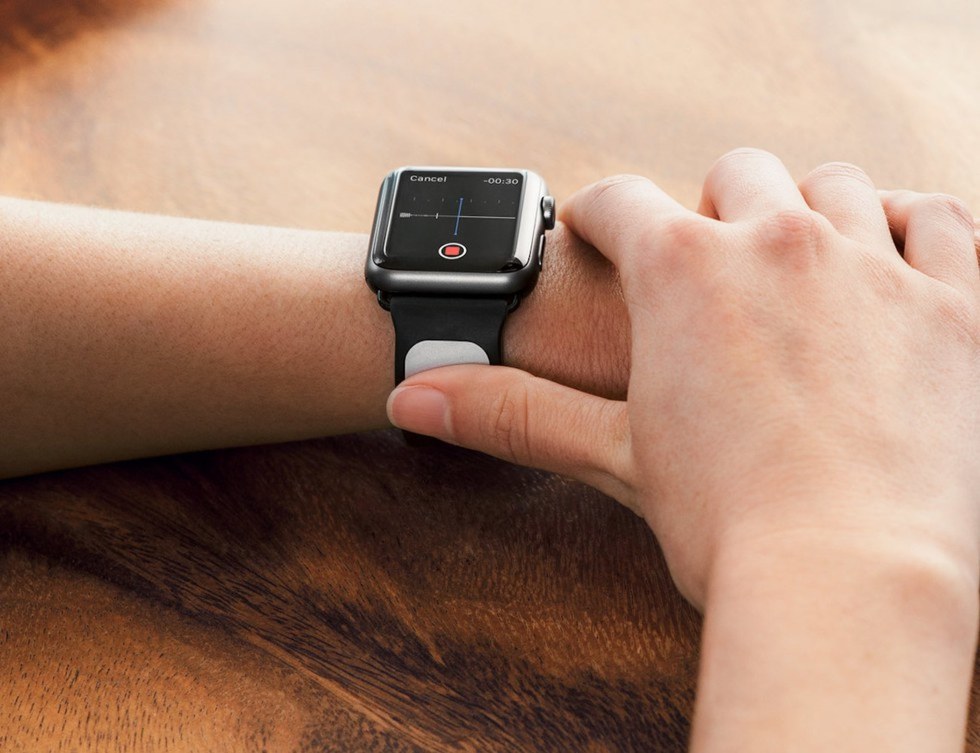
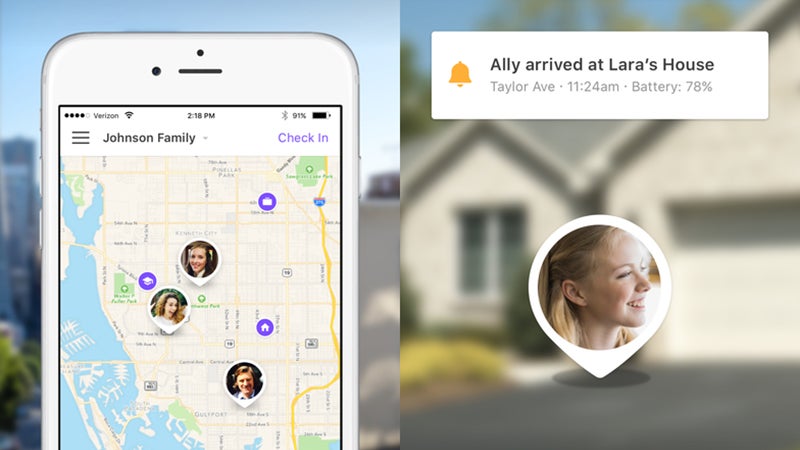
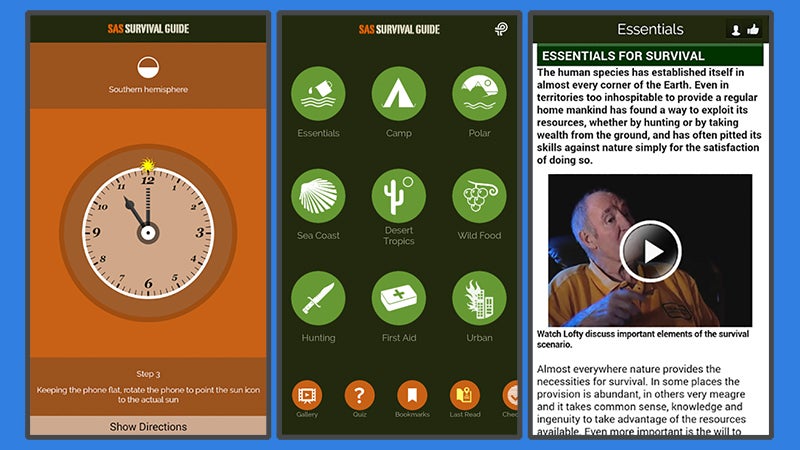
There has also been a overabundance of health and wellness apps – from nutrition apps to fitness trackers monitored by wearable sensors – that support this shift.Such technology not only monitors and offers insights on a person’s physiological status, but also recommends nearby healthy eateries and food selections, fitness-related events as well as exercise facilities.
This places personal health and preventative care rightfully back into the individual’s hands, shifting the outcome towards a more active and healthier community.
Health care’s resistance to transform is likely bolstered by concerns about patient data privacy, a dependence on highly specialized skills, professional ethics and a traditional emphasis on the human touch in the practice of medicine.
In Singapore, all hospitals have gone digital to a large extent, and the Government is encouraging nursing homes and GP (general practitioner) clinics across the island to follow suit.
With an Electronic Medical Record system, real-time Integrated Health Information Systems and an automated inpatient pharmacy already implemented, the next step for hospitals will be widespread telehealth services for discharged patients and the elderly in the community.
Robotics customized for the healing environment can improve patient care while relieving manpower shortages, and provide a better working environment.With everything including life-support systems hyper-connected in the Internet of Things (Io T) , cyber security will become of utmost importance.
In order to adapt to societal needs, modern healthcare professionals need to be well-educated in the management of technological capabilities and deliver patient-centric solutions.


























 Ongoing Information & Trends: A Weblog
You must be logged in to post a comment.