Always Providing You With Ongoing Information

Posts tagged ‘Libraries’

Wuhan Builds Mini Libraries In Temporary COVID-19 Hospitals

Image result for Wuhan builds mini libraries in temporary COVID-19 hospitals


Libraries and bookstores have united to build 18 mini libraries in temporary hospitals in Wuhan, the epicentre of the Covid-19 outbreak, to lend “spiritual support” to patients there.The libraries, comprising rows of bookcases, have been installed in all temporary hospitals and six others yet to be opened, according to the culture and tourism department of Hubei province, where Wuhan is the provincial capital.

With the shortage of beds amid the outbreak, Wuhan has put into use 12 temporary hospitals converted from gyms, convention or exhibition centres.

The Hubei Provincial Library built eight of the libraries and contributed about 5,000 books, while the rest were constructed by local libraries and two bookstores. Books there were mainly in the genres of classic literature, health, popular science and psychology.

Liu Weicheng, a curator of the Hubei Provincial Library, said the books were expected to soothe the minds of patients living in an isolated ward environment.

The library said it had also launched an online library, with 80,000 digital books, 420,000 audio clips and 8,482 videos, to cover all makeshift hospitals and quarantine hotels. The service is also being promoted among families in quarantine.
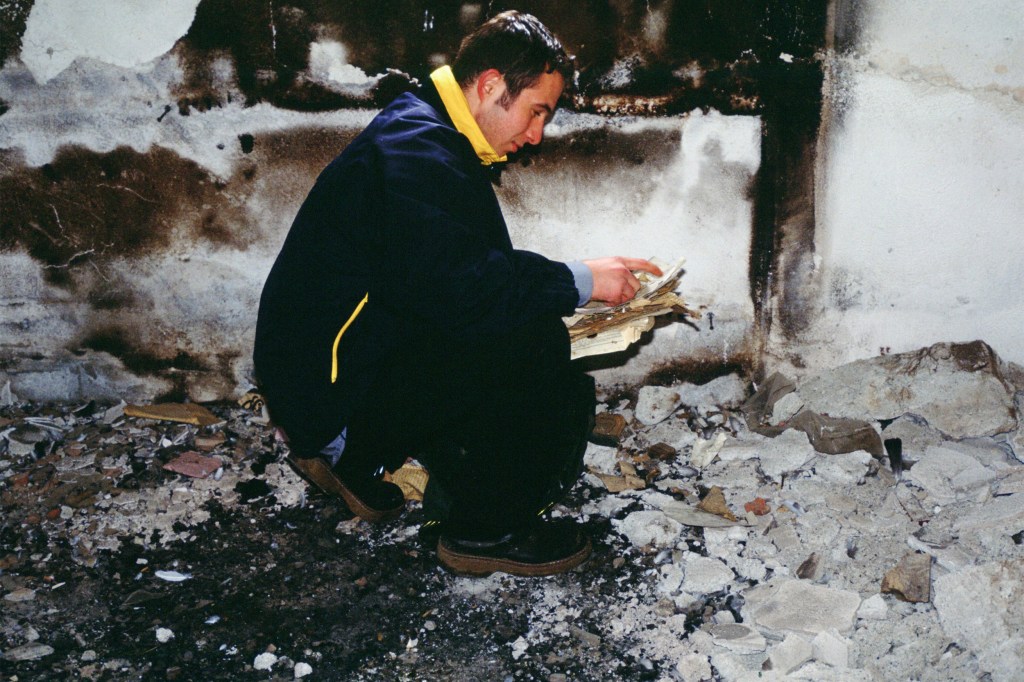
Harvard Librarian Catalogued Years Of Cultural Heritage Destruction By Serbian Nationalists &, Testifys Before The U.N.

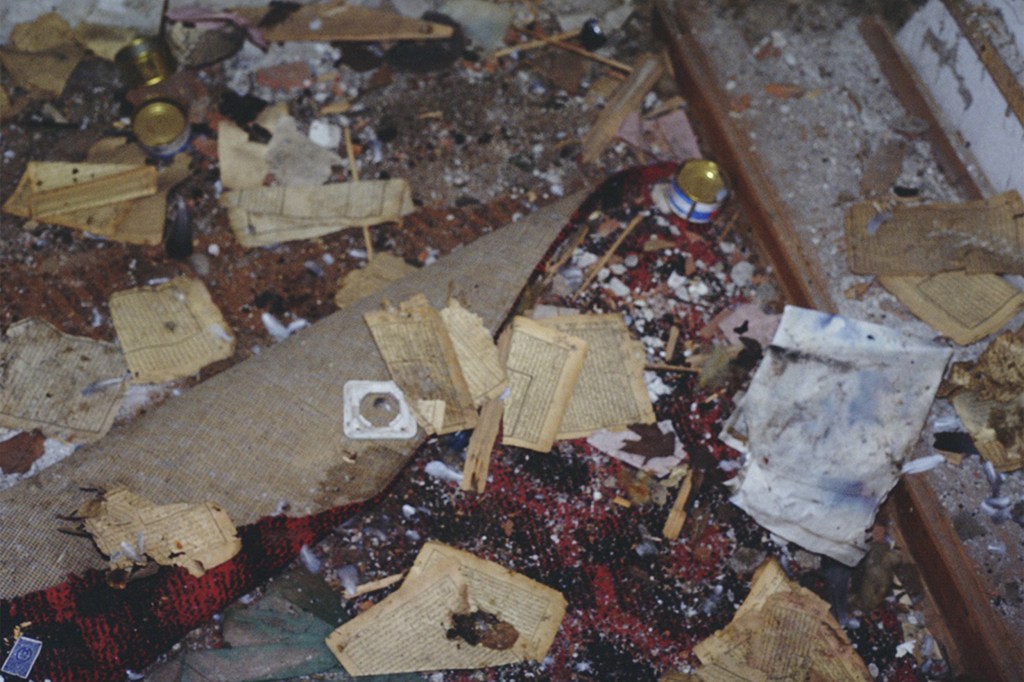
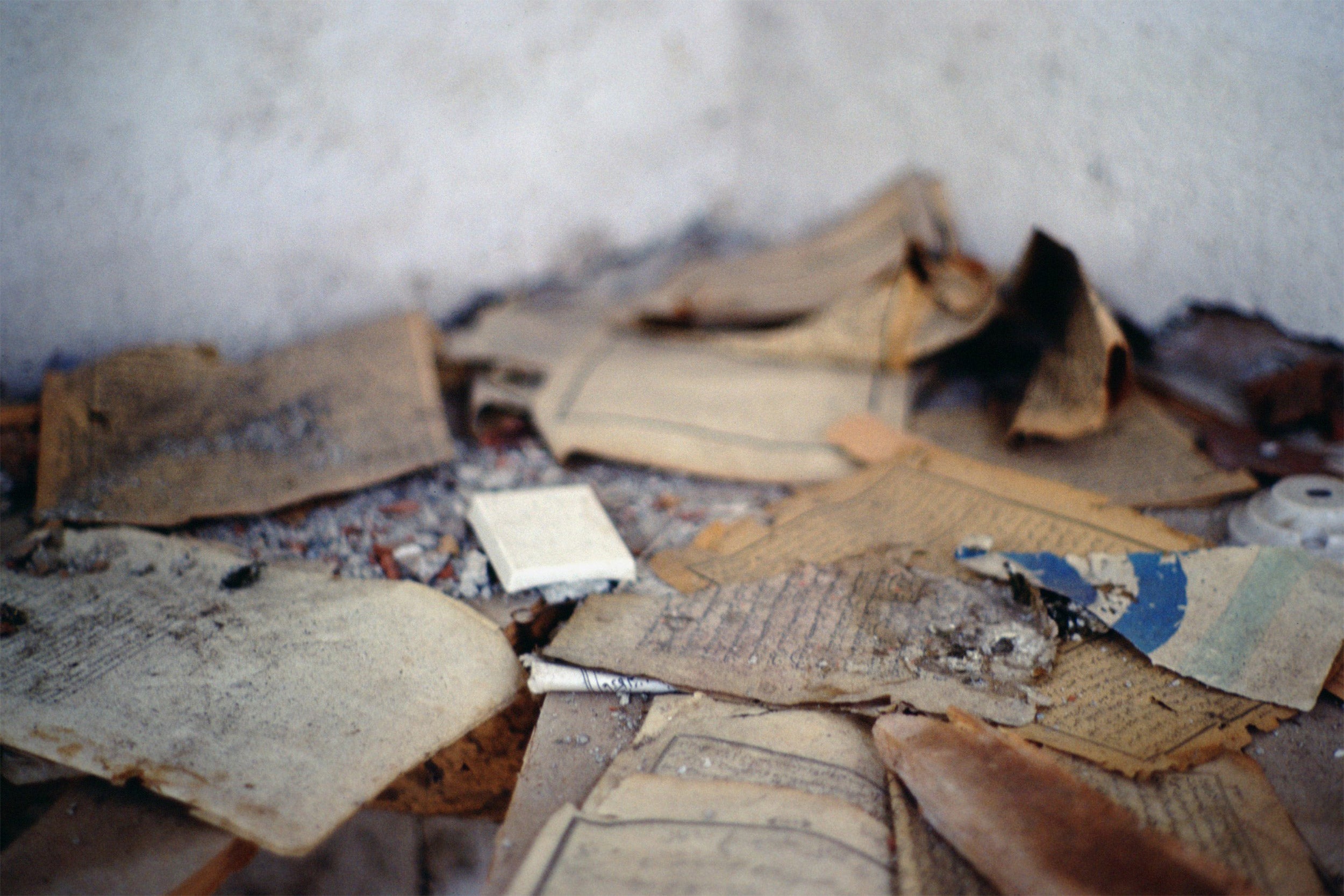
Torn and desecrated religious books and manuscripts.

August 1992 nearly 2 million books was destroyed as the National Library of Bosnia-Herzegovina, was burned to a shell.

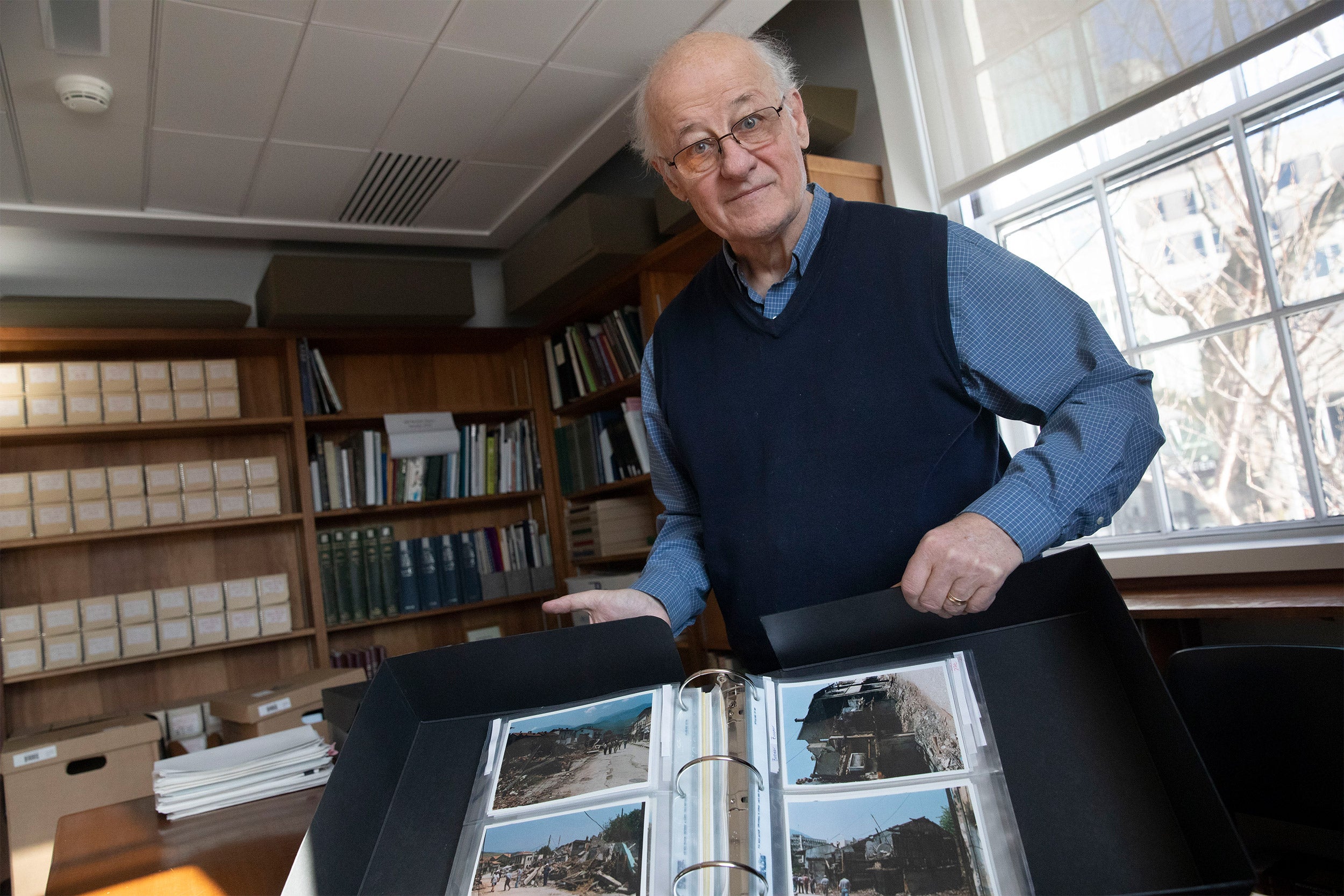
András Riedlmayer holding photo album.


András Riedlmayer with photos from his many visits to the Balkan region in the late 1990s and early 2000s.

Kris Snibbe/Harvard Staff Photographer

Burned books considered sacred.
Torn and desecrated religious books and manuscripts.


Agim, a Kosovar Albanian university student who worked with Riedlmayer as an interpreter, looks at torn religious texts (pictured) inside a Carralevë mosque that was burned by Serbian soldiers in 1999.

Courtesy of András Riedlmayer


Read More

Proposed Bill Could Fine or Jail librarians

Snapshot41_183

A state representative from Neosho, Missouri, is proposing a bill that could result in jail time or fines for refusing to pull banned materials from shelves. Rep. Ben Baker introduced House Bill 2044 to the Missouri House of Representatives on Jan. 8, proposing that a parental library review board of five elected residents would determine what books, DVDs, audiobooks, magazines and more would be available to minors in the library.

See Video

Read Bill

Warrant Out For Her Arrest — For Failing To Return Two Library Books.

Snapshot41_139

A Charlotte woman was surprised to find out Tuesday she had a warrant out for her arrest — for failing to return two library books.

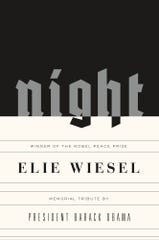
Where the Sidewalk Ends"Night" by Elie Wiesel


Read About It Here

Image

Thriving Libraries

https://infographic.statista.com/normal/chartoftheday_18554_book_loans_by_public_libraries_per_year_n.jpg

Number Of Public Library Book Loans

Snapshotbraids3_001
Number of book loans by public libraries per year (million) standard data | per capita data
City Figure Date Source Notes
Amsterdam 9.8 2013 Dutch Association of Public Libraries
Austin 3.6 2015 City of Austin
Bogotá 0.7 2017 BibloRed
Buenos Aires 2.3 2015 Direccion General del Libro y Promocion de la Lectura
Cape Town 9.9 2018 Library and Information Services – City of Cape Town
Chengdu 6.8 2016
Dublin 5.9 2017 Dublin City Council/Dun Laoghaire/Rathdown
Edinburgh 2.1 2017 Edinburgh Council City Facts and Figures 2018/19
Helsinki 7.1 2018
Hong Kong 49.8 2018 Leisure and Cultural Services Department
Istanbul 0.4 2014 Ministry of Culture and Tourism, Istanbul Metropolitan Municipality
Johannesburg 9.0 2010 Gauteng Library/Information Services 2010 Annual Report
Lisbon 0.2 2017 Câmara Municipal de Lisboa Programa de Aavalição e desempenho da Rede de Bibliotecas de Lisboa
London 25.8 2017 The Chartered Institute of Public Finance and Accountancy
Los Angeles 42.0 2013 Institute of Museum and Library Services
Madrid 3.8 2013 Archivo del Área de Gobierno de Las Artes, Deportes y Turismo. Ayuntamiento de Madrid
Melbourne 29.1 2018 PLVN Annual Statistical Survey
Milan 0.7 2017 Comune di Milano – Area Biblioteche & ASK Bocconi
Montréal 10.5 2016 StatBib
Moscow 30.3 2017 Statistics of the Ministery of Culture of the Russian Federation
New York 56.3 2017 Center for an Urban Future
Oslo 1.3 2018 Deichman Book loans not including renewals
Paris 28.3 2016 Ministère de la Culture et de la Communication
Rome 0.5 2017 ROMA CAPITALE
San Francisco 10.8 2016 SFPL
Seoul 26.0 2017 Seoul Foundation for Arts and Culture Seoul culture index 2017
Shanghai 86.2 2016 Shanghai Statistical Yearbook
Shenzhen 9.1 2017 Shenzhen Municipal People’s Government
Singapore 33.0 2016 National Library Board
Stockholm 8.4 2016 National Library of Sweden
Sydney 17.7 2016 State Library of NSW
Taipei 13.3 2016 National Library of Public Information / National Central Library /Ministry of Education 
Tokyo 111.9 2017 Tokyo Metropolitan Library 2017
Toronto 30.2 2018 Toronto Public Library
Vienna 6.1 2014 Vienna Annual Statistics 2014
Warsaw 6.1 2014 Main Library of Mazovia Voivodship
Zürich 3.6 2015 Statistics City of Zürich

Future Changes In Cityscapes

Snapshot41_138

Five areas are anticipated to influence the most change in cityscapes includes: climate change and micromobility, airports, data centers, patient-driven health care, and museums and libraries.

Credit: Gensler

Cities must adapt and “aggressively” prepare for climate change. Public-private partnerships will help cities adopt strategies by zoning low-lying areas like parks and wetlands, and creating elevated transportation networks in advance of floods.

Roadways will also have to adapt to the influx of new mobility vehicles, including autonomous vehicles (AVs), e-bikes and scooters. As more people turn to AVs in the U.S., 500 million parking spaces will open up for redevelopment, making way for reuse opportunities that include outdoor dining or gathering spaces.

Airports will evolve from transportation centers to essentially miniature cities. The number of people traveling by air is expected to almost double to 7.8 billion people in 2036, according to the International Air Transport Association.

Airports will seek ways to make their locations authentic to the surrounding area with locally sourced elements like foods and artwork. Airports will also work to attract local residents with their retail, restaurant and entertainment options. To help lure in non-travelers, airports will in-part focus on wellness experiences to help visitors feel welcome and pampered — such as: yoga rooms, outdoor green spaces, gyms and even walking paths.

The Kunming Changshui International Airport in China is an example of such an airport. It includes two hotels, multiple transit connections and a roof that is designed to act like a canopy of leaves, “softly illuminating the concourse, reducing glare, and increasing passenger comfort.”

Uber Air skyports also incorporate these trends with co-working areas, retail and restaurant space, and micromobility and ride-hailing zones. Gensler recently unveiled a Los Angeles skyport design that would include fitness centers and even museums to help create a community feel.

Super Computers The “arms race” to build supercomputers will also contribute to the data center market growth.  National labs will continue their work to develop ever-faster supercomputers that can be used for everything from quantum mechanics to climate change research.

Patient-Doctor dynamic is expected to change in future smart cities thanks in part to increasingly tech-savvy patients who have greater choice in where and how they receive treatments, according to the report.

Data analytics will provide doctors with a holistic patient view, improving communication and personalized care plans

Many waiting rooms of the areas will transform from drab fluorescent-lit rooms to “active health and wellness concourses, where the community can access advice, participate in classes or connect with patients in support groups.”

Museums and libraries will continue to be pillars of inclusivity

Libraries will play an increasingly important role in the smart city. That role will include helping the community by promoting community service, learning through play and providing access to technology, according to the report. To help meet these new needs, the report suggests that libraries reconfigure their space to meet the changing ways people seek information.

Museums are advised to incorporate “gender-inclusive restrooms, railings, clear interpretive labels and navigational signage, and trigger warnings.”


Librarian Discovers Book With Old Taco For Bookmark

Imagine flipping open the pages of your favorite book and finding an uneaten taco.

Read About It Here

Library Receipt Showing Savings On Books Goes Viral

Snapshot_143
Library receipt goes viral for showing over $7,000 savings by borrowing books. (Photo: Reddit)
The viral screenshot of a Wichita Public Library receipt was first posted by a Reddit user who had recently noticed that the library was keeping track of the member’s savings throughout the year and since they’ve been using the library. According to the user, who added context in the post’s replies, it is money that’s been accumulated by a six-person family that goes to the library on a weekly basis. Still, the $7,078.76 savings since they have been going to the library is leaving people in shock.

The Wichita Public Library told Yahoo Lifestyle that the program is something that it adopted in 2016 through the Polaris Integrated Library System, which is the software used by the library to manage customer accounts and inventory of the library collection. In a statement, the library’s communications specialist, Sean Jones, assured that the system makes sure to keep track of the cost of an item being borrowed without attaching it to a specific title so that a person’s reading history remains confidential.

A number of other libraries use the same system, and Jones says that the Wichita community, in particular, has responded positively to it.

Are Public Libraries Becoming More Like Social Service Agencies?

Snapshot41_125


Read On

Another Book Coming Out On Belle Da Costa Greene Who Hid Her Race


Image result for belle da costa greene

Born Belle Marion Greener in Washington, D.C., Greene grew up there and in New York City. Her biographer Heidi Ardizzone who wrote An Illuminated Life: Bella da Costa Greene’s Journey from Prejudice to Privilege lists Greene’s birth date as November 26, 1879. Her mother was Genevieve Ida Fleet, a member of a well-known African-American family in the nation’s capital, while her father was Richard Theodore Greener, an attorney who served as dean of the Howard University School of Law and was the first black student and first black graduate of Harvard (class of 1870). Belle was the librarian to J. P. Morgan. After his death in 1913, Greene continued as librarian under his son, Jack Morgan. In 1924 the private collection was incorporated by the State of New York as a library for public uses, and the Board of Trustees appointed Greene first director of the Pierpont Morgan Library.

Currently, Berkley’s Kate Seaver won North American rights, at auction, to Marie Benedict and Victoria Christopher Murray’s work of historical fiction, The Personal Librarian. Seaver spent a rumored high six figures on the book, which is based on the life of Belle da Costa Greene, a famously bohemian woman who, in 1905, was tapped by American financier J Pierpont Morgan  to curate a collection of varied pieces for his then-new Morgan Library. Berkley said that the bestselling authors explore how Greene at once “wielded enormous power in her rarified world” but also held a deep secret “that could ruin her carefully crafted identity.” Benedict (The Only Woman in the Room) was represented by Laura Dail at the Laura Dail Literary Agency and Murray (Stand Your Ground) by Liza Dawson at Liza Dawson Associates. Librarian is slated for 2021.

Image result for belle da costa greeneImage result for belle da costa greene

Staten Island Librarians Locate Man With Dementia


- Five Staten Island librarians help find missing elderly man in Manhattan (Provided by Citizen)


Citizen

– Five Staten Island librarians help find missing elderly man in Manhattan (Provided by Citizen)

More Here


Study Examines Academic Librarian Turnover

Snapshot_143


Read Here

Houston Public Library Has A Book Vending Machine

Snapshot38_009

BookLink, the first two book vending machines were opened this week in downtown Houston — one is located in One Allen Center next to Amille’s Coffee and the other is in the food court at The Shops at Houston Center.

View Here

Competitive Book Sorters

Teamwork and speed.

Teamwork and speed. Courtesy Jonathan Blanc/The New York Public Library

Formerly the NYPD captain in charge of Brooklyn’s major crimes investigations, Magaddino glides around the machine, with one hand gesturing to its component parts and the other clutching a styrofoam cup of coffee. Wearing a checked suit, he gloats in consummate Brooklynese about the remarkable operation this beast enables. Sorting items that move every day from the tip of the Bronx to the lip of Staten Island, his team tallied nearly 7.5 million successful deliveries last year.

Read More on the competition

White Librarianship In Blackface

60's librarian

Read About It here

N ational Book Awards 2018

Snapshot21_001

The National Book Foundation has announced the long list of 10 books for the 2018 National Book Award for fiction. Finalists will be revealed on Oct. 10.

Fiction

Jamel Brinkley, “A Lucky Man” (Graywolf Press)

Jennifer Clement, “Gun Love” (Hogarth)

Lauren Groff, “Florida” (Riverhead)

Daniel Gumbiner, “The Boatbuilder” (McSweeney’s)

Brandon Hobson, “Where the Dead Sit Talking” (Soho Press)

Tayari Jones, “An American Marriage” (Algonquin)

Rebecca Makkai, “The Great Believers” (Viking)

Sigrid Nunez, “The Friend” (Riverhead)

Tommy Orange, “There There” (Knopf)

Nafissa Thompson-Spires, “Heads of the Colored People” (Atria)

Winners will be announced Nov. 14 at a ceremony in New York City.


Non Fiction

Carol Anderson, “One Person, No Vote: How Voter Suppression Is Destroying Our Democracy” (Bloomsbury)

Colin G. Calloway, “The Indian World of George Washington: The First President, the First Americans, and the Birth of the Nation” (Oxford University Press)

Steve Coll, “Directorate S: The C.I.A. and America’s Secret Wars in Afghanistan and Pakistan” (Penguin Press)

Marwan Hisham and Molly Crabapple, “Brothers of the Gun: A Memoir of the Syrian War” (One World)

Victoria Johnson, “American Eden: David Hosack, Botany, and Medicine in the Garden of the Early Republic” (Liveright)

David Quammen, “The Tangled Tree: A Radical New History of Life” (Simon & Schuster)

Sarah Smarsh, “Heartland: A Memoir of Working Hard and Being Broke in the Richest Country on Earth” (Scribner)

Rebecca Solnit, “Call Them by Their True Names: American Crises (and Essays)” (Haymarket)

Jeffrey C. Stewart, “The New Negro: The Life of Alain Locke” (Oxford)

Adam Winkler, “We the Corporations: How American Businesses Won Their Civil Rights” (Liveright)


Bookstagram

Snapshotfishnet8

Bookstagram

A community — comprised of proud readers, book stores, libraries, publishing houses, and more — has become an online safe haven for bibliophiles. The content has been considered beautiful and engaging, but the photos and captions work to inspire others to pick up a book in an increasingly digital era.

E Sagan

igreads

Trevino

Political Page Turners Tell All

Snapshot16_001

New York Times reporter Michael Schmidt has a Mueller-oriented project in the works.  Schmidt has blown the lid off some of the most consequential stories about the Russia investigation, and he now has a deal with Random House—brokered by Gail Ross of the Ross Yoon Agency. James Stewart is writing a book about the relationship between the White House, the F.B.I. and the Justice Department. Stewart, whose longtime agent is Amanda Urban at I.C.M., is working with Ann Godoff at Penguin on the as-yet-untitled work, which he said is tentatively slated for a fall 2019 release. It appears that the big political books of the Trump era have been minting big bucks. Jeremy Peters’s Insurgency: The Inside Story of the Battle for the Soul of the Republican Party, sold at auction in the high six figures. Earlier this year, Michael Wolff saw nearly 2 million copies of Fire and Fury fly off shelves in a matter of three weeks.

Libraries

Klosterbibliothek Metten, Metten, Germany. Image by Massimo Listri / TASCHEN 

Real Gabinete Português de Leitura, Rio de Janeiro, Brazil. Image by Massimo Listri / TASCHEN 

Biblioteca do Convento de Mafra, Mafra, Portugal. Image by Massimo Listri / TASCHEN 

Stiftsbibliothek Admont, Admont, Austria. Image by Massimo Listri / TASCHEN


Image result for librariesImage result for libraries with beautiful architecture
Mark Boisclair Photography, Inc.

El Escorial Library in Madrid (Credit: Credit: Ken Welsh/Alamy)

El Escorial Library in Madrid

Vancouver Public Library (Credit: Credit: Robert Harding Picture Library Ltd/Alamy)

Secret Libraries

Auto Draftpinkblouse4_001

John Hay Library, Rhode Island, USA

Books bound in human skin are rare. But the John Hay Library holds three of them. One is De humani corporis fabrica (On the Structure of the Human Body) by Andreas Vesalius, one of the most famous textbooks on anatomy. The book was one of the inspirations for Desecration and also features in American Demon Hunters: Sacrifice.

The John Hay Library also has two copies of Hans Holbein the Younger’s Dance of Death, rebound in human skin in 1898.

Szabo Ervin Library, Hungary

It was originally a palace built in the 19th century, and the library hides within the modern library surrounding it.

The Literary and Philosophical Society, Newcastle, UK

Academics discovered a mistranslation of an Egyptian mummy’s name thanks to forgotten documents hidden on the Lit and Phil’s shelves. You can see Bakt-en-Hor in all her glory at the nearby Great Museum North.

Vatican Secret Archives, Vatican City, Italy

the archives opened to selected groups in 2010. Previously, only approved academics could gain access.

You can find the archives in a wing of the Vatican behind St Peter’s Basilica. There are more than 52 miles of shelving below ground, and the oldest document dates to the 8th century.

The archives also hold letters about King Henry VIII’s annulment from Catherine of Aragon, trial records for the Knights Templar in the early 14th century, and correspondence between the Vatican and figures like Michelangelo and even Hitler. The archives also feature in my ARKANE thriller, Destroyer of Worlds.

The Vatican like to claim the archives are private, rather than secret. But there is still a section inaccessible to academics. What hidden treasures might lie within?

Librarian With Mobile App Habit Gets 30 Days & Some More

Snapshot_141

Read about Here

Over A Century Ago Being A Victorian Librarian Was Dangerous

Melvil Dewey predicted they would suffer ill health, strain, and breakdowns.

Bill Clinton & James Patterson

Image result for the president is missing

Former President William Jefferson Clinton and well-established mass-production author James Patterson have collaborated on a novel titled The President is Missing. The book is a political cyber-thriller of sorts, the second such book from a member of the Clinton family—that is, if you count Hillary Clinton’s What Happened as one. And just as with with Ms. Clinton’s book, The President is Missing gives shout outs to Russian hacking groups, mentioning Fancy Bear by name.

The President is Missing is, however, a work of fiction. At 513 pages in hardcover. The prose is largely marked by Patterson’s hand as well, but there are places where Clinton’s voice pushes through. The plots about a Democratic president from a southern state is on the verge of facing an impeachment (sound familiar?) in the midst of a national security crisis. A terrorist mastermind has managed to plant “wiper” malware in every computer in the United States. Racing against time, the president disguises himself, exits the White House through a secret tunnel, and meets in person with the hacker who helped distribute the malware while a crack mercenary hit squad led by a pregnant Bosnian sniper attempts to take the hacker and President Duncan out.

Free Mini Library @ New York City’s Subway System

Snapshotskirt4_001


Free Books Now Available at Tiny Library in NYC Subway Station
NYPD Officer Damieon Frey unveils the new Free Little Library at the 145th Street and St. Nicholas Ave subway station.

Free mini-library was unveiled this week in a New York underground subway station — @ 145th Street & St Nicholas Avenue station right next to NYPD’s Transit District 3 Precincth allows for constant supervision

The little library stands about five-feet tall. Open the door and anyone can take a book. All the organizers ask it that readers leave a book behind, to fill the gap. The non-profit organization started the initiative in the hopes it would get more people reading.

Little Free Library has outlets all over the world. There are over 10 in the city already, but this is the first in an underground station. NYPD Transit plans to place a Little Free Library in each transit precinct eventually.

Little Free Library founder Todd H. Bol said there will be books for all age ranges and many that will appeal to young children.

“We did this partnership with Marvel, and Marvel is going to give an ongoing supply of books… Disney will send two years supply of Marvel books and comics.

Readers aged 13-18 would act as mentors to the younger children, reading with them after school at the Little Free Library outside the precinct, as part of the NYPD Explorers Program.


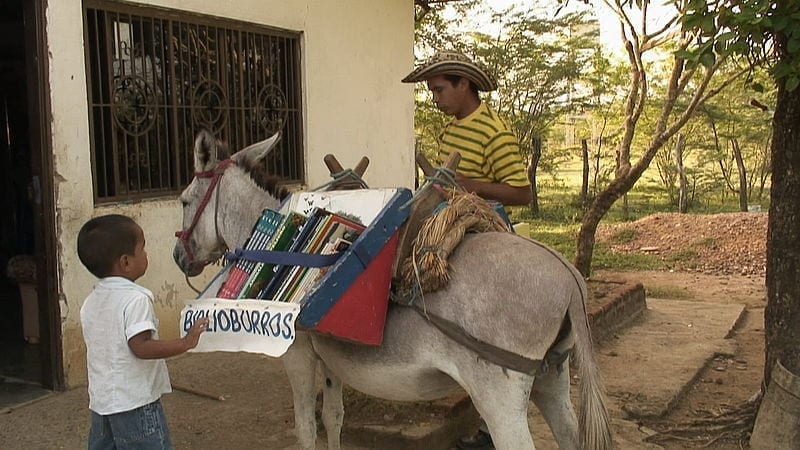
A child approaches a Biblioburro, a donkey carrying books.Biblioburro, a traveling library in Colombia. Photo by Acción Visual/Diana Arias, courtesy of Wikimedia Commons. CC BY-SA

Today,  you’ll find libraries doing more to serve their communities these days than ever. All over the world, libraries are becoming one of the last holdouts of the commons and the source of an amazing array of things you can borrow.

While adults and little kids have their approved spaces in public. Libraries are doing more to cater to teenagers, like the libraries in New York City, Austin (TX), Billings (MT), and Dayton (OH), are finding that giving teens some say in design choices and providing rooms where they can meet, study, listen to music, play video games and even eat, means that libraries are becoming more than relevant to young people again.

Being the neighborhood commons has a darker side, as well. In one year alone, 12% of Pennsylvania’s public libraries found themselves dealing with people overdosing on drugs. Libraries around the country have similar stories. As a result, there are libraries doing more to help combat the opioid crisis by stocking and dispensing Naloxone, an overdose reversal medication. Even in conservative Salt Lake City (UT), anyone can obtain Naloxone, “no questions asked.”

Libraries are hosting Maker spaces, providing free lunches for kids on summer vacation, and even (as an aside) improving public literacy.

Public Libraries Are Rocking This Summer

 Image result for notas musicales de coloresWoman Head Silhouette With Music Notes Royalty Free Cliparts Magnificent Silhouettes

U.S. Public Schools Lost Approximately 20% Of Their Librarians Since 2000

careersuit3_001

According to a new analysis of federal data, The United States can’t afford librarians. Between 1999-2000 and 2015-16, U.S. public schools lost 19% of full-time equivalent school librarians, according to a School Library Journal article by researcher Keith Curry Lance that examined National Center for Education Statistics (NCES) data.

The shortage in public school librarian employment  has not recovered since 2008. Districts serving minorities have been hit the hardest. Among all the districts that have retained all their librarians since 2005, 75% are white, Education Week reports. On the other end of the scale, student populations in the 20 districts that lost the most librarians in the same time comprised 78% students of color.

In essence, while U.S. employment rates are back up in the wake of the Great Recession, the public school librarian sector has not rebounded, and the nation’s collective failure to rebuild its public information infrastructure and minorities have been hit the hardest.


Some states suffered a more dramatic loss than the average. The number of librarians employed across Florida’s 67 school districts has dropped by 27% since just 2005, according to a 2017 Herald Tribune article, leaving several districts without any librarians at all. In replacement, the Herald Tribune argues, paraprofessionals run libraries as media aides — a position that requires just a high school diploma and a certification, and which starts at $14.60 an hour. Librarians with masters’ degrees, however, are often the first to go when budgets need to be cut.

Education Week’s articles also argues that librarian’s roles are being replaced by other, less qualified job titles: As public school librarians dwindled by 20%, schools saw an 11% rise in counselors, 19% boost in instructional aides, and a full 28% more school administrators.


Several recent studies have indicated that students suffer academically as a result: One nationwide study published in 2011 found signs that states’ 4th grade reading scores dropped in correlation with their loss of librarians. A 2012 Colorado-specific study from the same researchers then followed up, finding a similar correlation in the opposite direction: “Schools that either maintained or gained an endorsed librarian between 2005 and 2011 tended to have more students scoring advanced in reading in 2011 and to have increased their performance more than schools that either lost their librarians or never had one,” that study holds.


Librarians Are Baffled By Signed Truman Memoir

Snapshotman8_001

Truman book

Truman book

Staff Photo Rod Aydelotte

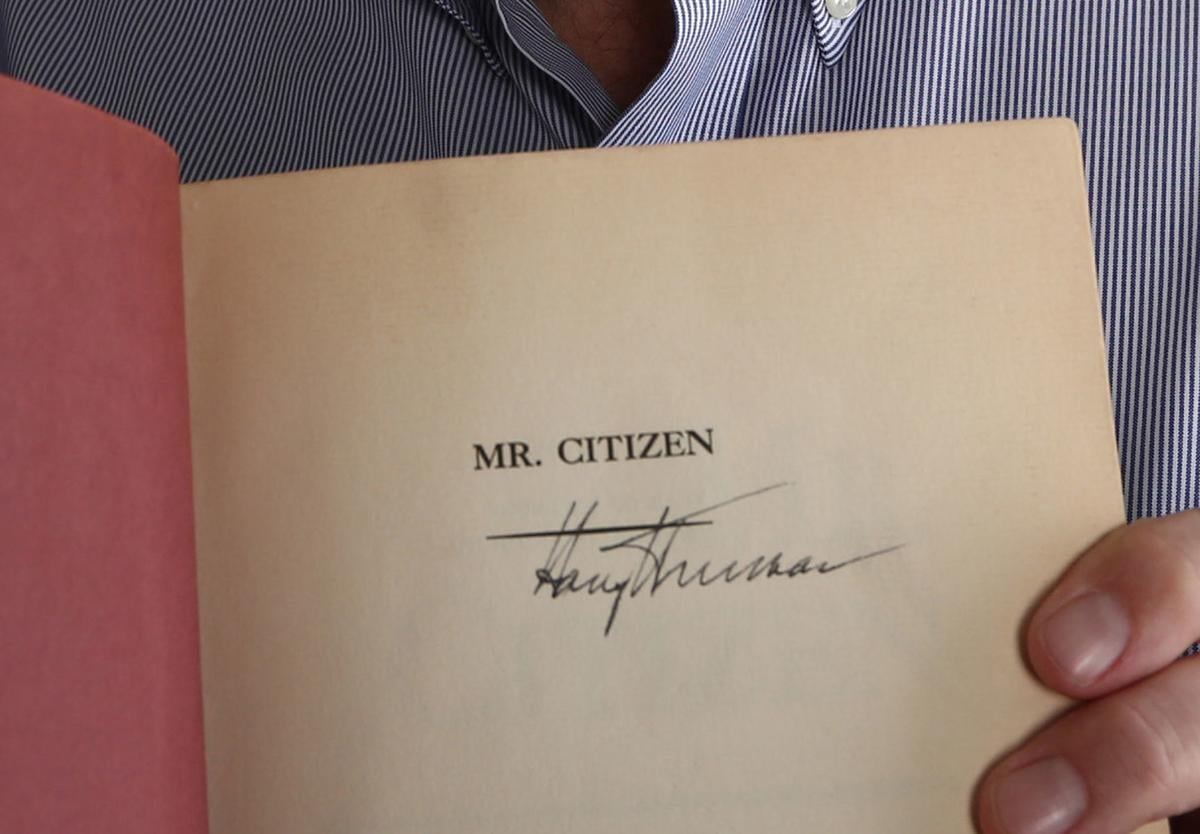
A Waco High School librarian was weeding out old, little-read books from the stacks on Thursday when she paused at an autobiography of Harry S. Truman.

The librarian, Carri Nowak, opened to the title page of “Mr. Citizen” and saw the publication date: 1960. And under the title was an autograph that appeared to be from the former president himself.

She called the school district’s library specialist, Lisa Monthie, who at first thought she was saying a student had signed the book.

The librarian first thought was to weed the book.

That discovery led to a bit of sleuthing by Waco Independent School District officials. Monthie called Waco ISD social studies content specialist Robert Glinski, who contacted the director of the Harry S. Truman Presidential Library and Museum in Independence, Missouri. The museum confirmed the signature appeared to be written by hand, not mass-produced.


Signed memoirs by Truman are not exceedingly rare, though they are not commonplace either. Copies start at about $200 at online booksellers.

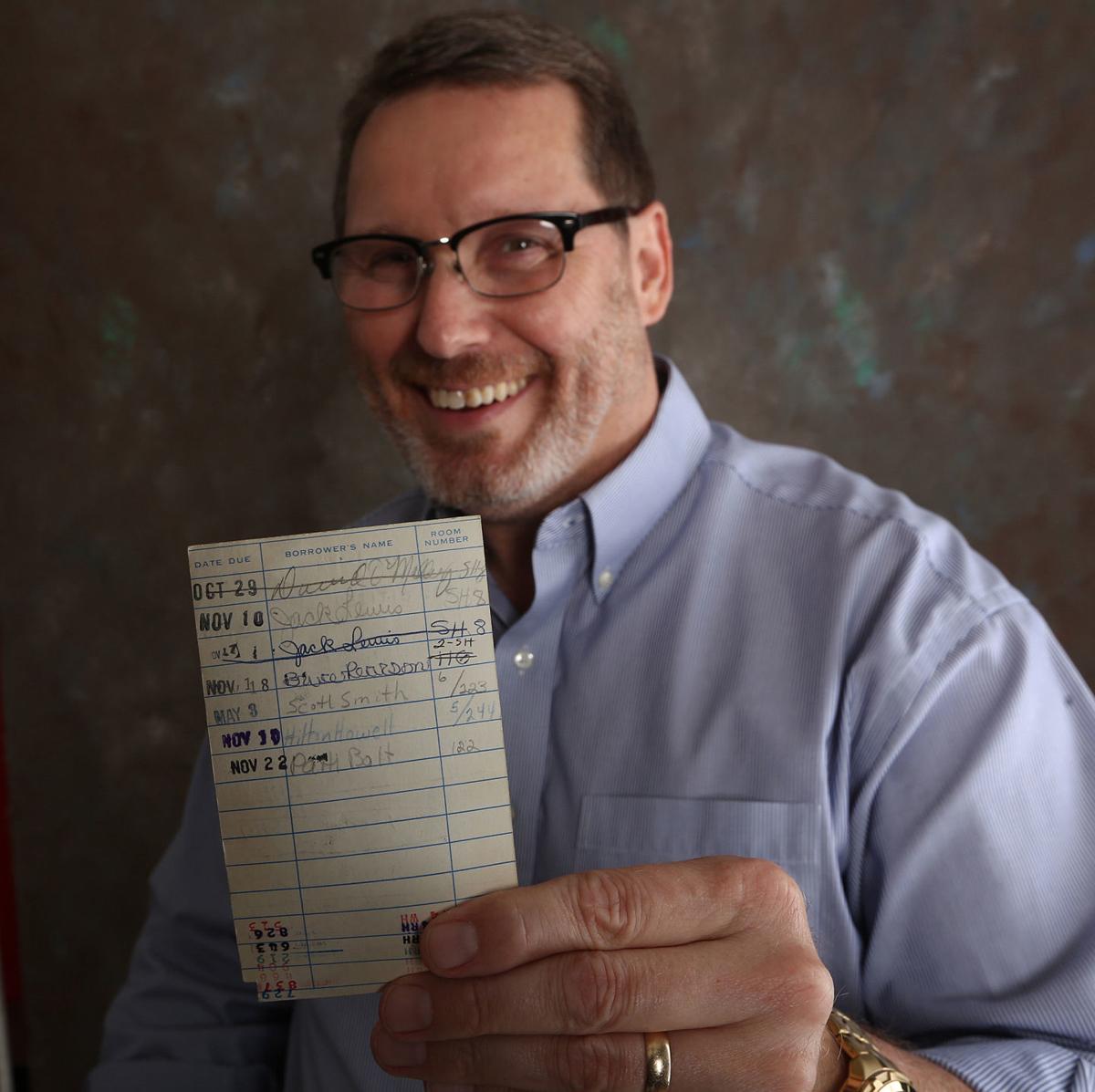
What was baffling was that such a prize book ended up in a high school library, with the front card showing it was being checked out as early as 1962.


The front card shows it was part of the collection of Richfield High School, which opened in 1961 at the current Waco High School campus at 2020 N. 42nd St. The schools merged in 1986.

The last few checkout dates do not include the year, but it appears that the book has not been checked out in more than 30 years.

+7 

Truman
Harry S. Truman (left) was in Waco on October 12, 1960, with Speaker of the House Sam Rayburn, center. At top right is Waco Congressman Bob Poage. Truman gave a stump speech for John F. Kennedy and denounced anti-Catholic sentiment.Truman Staff photo — John Bennett, file

Glinski is trying to discover if Truman signed the book when he visited Waco in October 1960, soon after the book was published.

In town for a tour supporting presidential candidate John F. Kennedy, Truman delivered a barn-burning speech against religious bigotry.


After spending the night at the downtown Roosevelt Hotel and having a steak dinner at the Masonic Grand Lodge of Texas, Truman headed to the Heart O’ Texas Coliseum for a speech in front of 5,000, the Tribune-Herald reported at the time. Along the way, he reminisced fondly of his previous visit to Waco as a sitting president in 1947, when he received an honorary doctorate from Baylor University.


At the coliseum, Truman chided Protestant preachers for telling their flocks not to vote for a Catholic candidate. He said he would have “exploded” if a Catholic priest “had stood up in church and said I ought not to be elected because I was a Baptist.” He said “religious bigotry is a regular earmark of a dictatorship.”


Meanwhile, the Waco Baptist Association met to pass a resolution reprimanding Truman for “his conduct and his manner of speech as a Christian, a Baptist and a guest in our midst.” The association also resolved to “encourage our churches and people consider seriously the men nominated for the presidency as to their allegiances other than to the Constitution of the United States.”


The Aesthetics of Russian Libraries Is Causing Their Visitors To Dwindle

Nuneaton Library

 Councillor Pete Gilbert, Conservative county councillor for Bedworth West, says libraries that look like car parks are not helping halt the slump in visitor numbers across Warwickshire.  He continues to say” the biggest damage that we’ve caused ourselves is the knocking or pulling down of beautiful buildings that lived and breathed books and building these Soviet-looking flat roofed things that don’t inspire anybody.”

On the other hand in contrast to that, the county was among the best when it came to digital visits with eBook and eAudio downloads at an all-time high. 

Libraries Awarded For Best Architectural Design

Laurel Branch Library, Largo, Md., designed by Grimm + Parker Architects (Photo: Sam Kittner via AIA

Photo: Nic Lehoux via AIA

Photo: Chuck Choi Photography via AIA

Photo: Chuck Choi Photography via AIA

Photo: Sam Kittner via AIA

Photo: Eric Staudenmaier via AIA

hoto: Lara Swimmer via AIA


National Library Lovers Day

National Library Lover's Month - February

Click Here

Books For 2018

An American Marriage
Tayari Jones, 2018
The Wife Between Us
2018
Everything Here Is Beautiful
Mira T. Lee, 2018
The Female Persuasion
Meg Wolitzer, 2018
Red Clocks
Leni Zumas, 2018
The Woman in the Window: A Novel
A. J. Finn, 2018
Still Me
Jojo Moyes, 2018
Neon in Daylight: A Novel
Hermione Hoby, 2018
Beneath the Sugar Sky
Seanan McGuire, 2018
Fire and Fury
Michael Wolff, 2018
Anatomy of a Scandal: A Novel
2018
Reign of the Fallen
Sarah Glenn Marsh, 2018
Grist Mill Road: A Novel
Christopher J. Yates, 2018
The English Wife: A Novel
Lauren Willig, 2018
Meet Cute: Some People Are Destined to Meet
2018
The House of Impossible Beauties
Joseph Cassara, 2018
This Could Hurt
Jillian Medoff, 2018
The Girls in the Picture
Melanie Benjamin, 2018
The Chalk Man
C. J. Tudor, 2018

United States Library Of Congress-Carla Hayden

Tianjin China Library Defends Use Of Fake Books

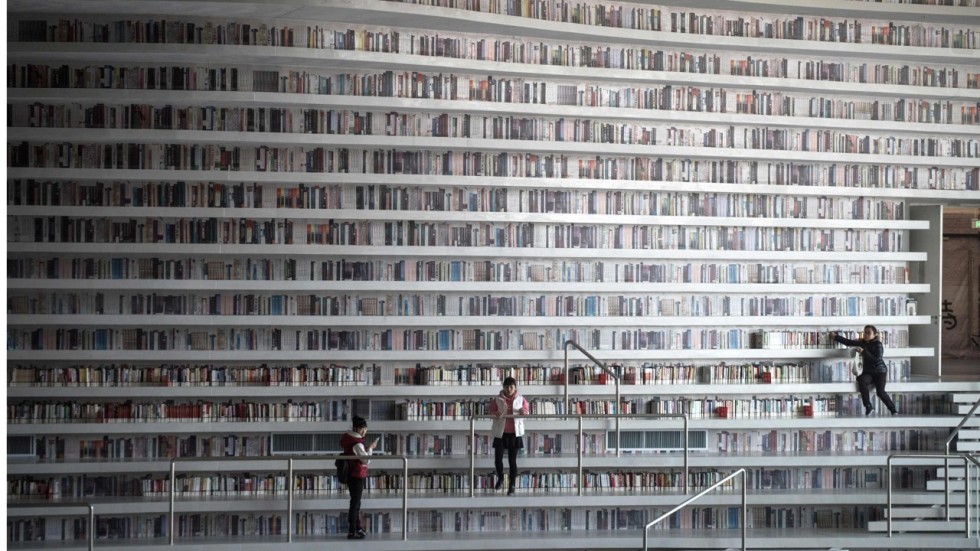
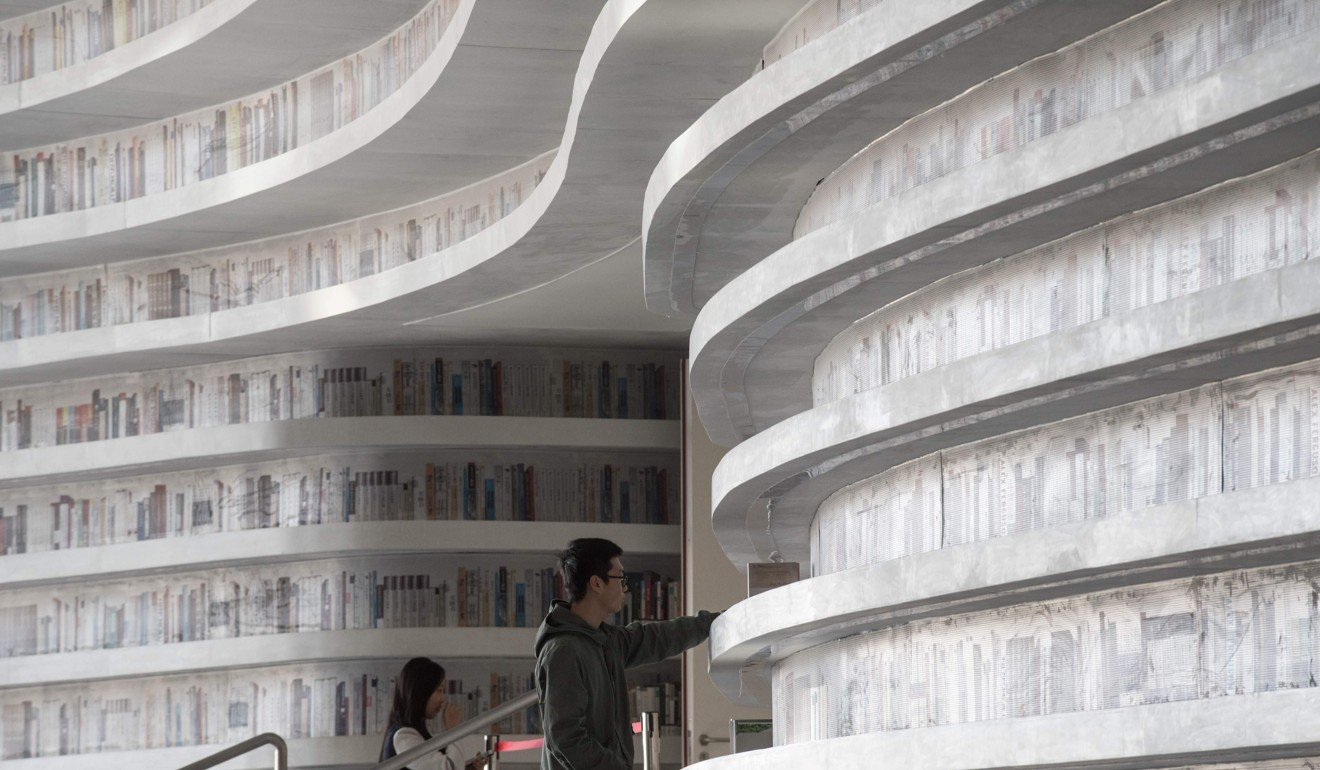
The deputy director of the futuristic six-story library in the coastal city of Tianjin – designed by Dutch architectural firm MVRDV China has defended the building’s design. Reports about it went viral when it was revealed that many of its “books” were actually only images printed on the walls.

The library soon was the talk on the internet after photographs of its interior and white floor-to-ceiling bookshelves in the main entrance hall circulated on social media.

However, the euphoria was short lived with stories about its “fake books” soon making headlines around the world.

Tianjin Binhai Library, deputy director told Agence France-Presse that the mix-up was because authorities approved by the plan stating that the atrium would be used for circulation, sitting, reading and discussion, but omitted a request to store books on shelves. therefore they can only use the hall for the purposes for which it has been approved.

The library has about 200,000 books stored and hopes to house 1.2 million volumes in the future. About 15,000 visitors flocked to the library over the weekend

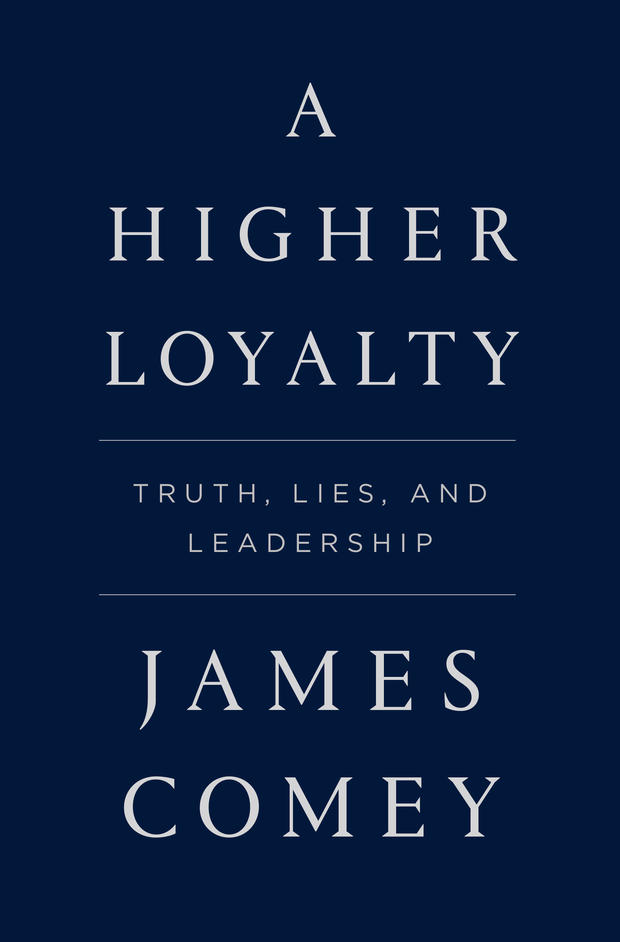
James Comey New Book

james-comey-a-higher-loyalty.jpg


National Book Awards Finalist

natural-hair2_001

FICTION

“Dark at the Crossing” by Elliot Ackerman (Knopf)

“The Leavers” by Lisa Ko (Algonquin Books)

“Pachinko” by Min Jin Lee (Grand Central Publishing)

“Her Body and Other Parties: Stories” by Carmen Maria Machado (Graywolf Press)

“Sing, Unburied, Sing” by Jesmyn Ward (Scribner)

NONFICTION

“Never Caught: The Washingtons’ Relentless Pursuit of Their Runaway Slave, Ona Judge” by Erica Armstrong Dunbar (37 Ink)

“The Evangelicals: The Struggle to Shape America” by Frances FitzGerald(Simon & Schuster)

“The Future Is History: How Totalitarianism Reclaimed Russia” by MashaGessen (Riverhead)

“Killers of the Flower Moon: The Osage Murders and the Birth of the FBI” by David Grann (Doubleday)

“Democracy in Chains: The Deep History of the Radical Right’s Stealth Plan for America” by Nancy MacLean (Viking)

POETRY

“Half-Light: Collected Poems 1965-2016” by Frank Bidart (Farrar, Straus and Giroux)

“The Book of Endings” by Leslie Harrison (University of Akron Press)

“Whereas” by Layli Long Soldier (Graywolf Press)

“In the Language of My Captor” by Shane McCrae (Wesleyan University Press)

“Don’t Call Us Dead: Poems” by Danez Smith (Graywolf Press)

YOUNG PEOPLES LITERATURE

“What Girls Are Made Of” by Elana K. Arnold (Carolrhoda Lab)

“Far From the Tree” by Robin Benway (HarperTeen)

“I Am Not Your Perfect Mexican Daughter” by Erika L. Sánchez (Alfred A. Knopf Books for Young Readers)

“Clayton Byrd Goes Underground” by Rita Williams-Garcia (Amistad)

American Street” by Ibi Zoboi (Balzer + Bray)

See the long lists in young people’s literature, poetry, nonfiction and fiction.

The fundraising gala where the winners will be announced takes place Nov. 15 in New York.

Librarians Learning How to Use Overdose Antidote In Rhode Island

Snapshotmensuit6_001

Workers at a Rhode Island library are learning how to respond to opioid overdoses.

WJAR-TV reports a training session at the Providence Community Library in Providence on Friday taught librarians how to administer the overdose reversal drug naloxone.

More Medical Schools Going Bookless

AILEEN MCCRILLIS
NYU health sciences library

The Association of American Medical Colleges predicted that by 2030, the United States would have a shortage of up to 104,900 physicians. To try to curb this impending crisis, a wave of new medical schools have opened in the last decade. Eleven schools have been accredited by the Liaison Committee on Medical Education in the last five years, and eight more are currently under consideration.

As a condition of accreditation, these new schools must provide access to “well-maintained library resources sufficient in breadth of holdings and technology” to support the school’s educational mission, however, many medical schools are deciding that large print collections are no longer a vital component of those resources.

Paperless Libraries

Charles Stewart, associate dean and chief librarian of City College of New York, of the City University of New York system, said that his institution chose to go a paperless route for the newly opened CUNY School of Medicine on the City College campus for much the same reason — 24-7 access. “Stewart says they chose the all-electronic option since their medical school clearly wanted instant e-access to all their resources.


The Frank H. Netter School of Medicine at Quinnipiac University, which accepted its first students in 2013, is designed as a paperless institution. The school has a library space where students can read and study, but the vast majority of the library’s resources are online. Bruce Koeppen, dean of the school, said that by making most of the library’s holdings electronic, it ensured that students and faculty could access information “anywhere and anytime, even when the library is closed.”

Hybrid Approach

The Virginia Tech Carilion School of Medicine, opened in 2010, with just 50 books on its shelves, however, the students quickly pushed to expand this collection to 4,000 books, saying that they preferred to use physical materials for studying. The school noted, however, that it did not want to increase its print collection beyond the current level.

Fay Towell, director of libraries at the Greenville Hospital System, said that it was interesting that students at the University of South Carolina School of Medicine Greenville, which opened in 2012, frequently requested access to both print and electronic resources. Given the small size of the library, and the prohibitive cost of providing both print and online versions of texts, Towell said the library had to be selective. She noted that often journals might cost more electronically than in print — “if a journal cost is $4,000 electronically and $400 in print, then the library makes space for print,” she said.

Roger Schonfeld, director of the Library and Scholarly Communication Program for Ithaka S+R, pointed out that when medical libraries thin their print collections, it does not necessarily mean that the campus loses access to those physical materials. “Whether the collections are moved to an off-site facility, or the library participates in a shared print program, it is almost always still possible to provide access to a print version on those occasions when it is necessary to do so.” The trend for thinning print collections is not unique to medical libraries, said Schonfeld — many science and engineering libraries have done the same.

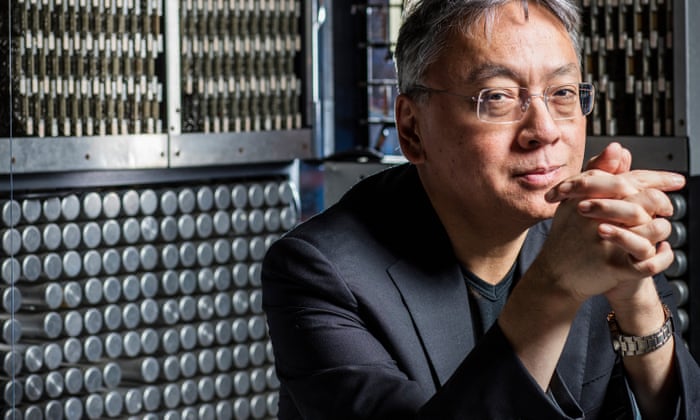
Kazuo Ishiguro, winner of the Nobel prize in literature 2017 Photograph: David Levene for the Guardian

Kazuo Ishiguro’s new book features an American woman who claims to be a virtuoso on the cello. She befriends and tutors a young Hungarian cellist earning his living playing in cafes. she tells him “you have it, most definitely you have … potential.” As the days turn into weeks, he wonders why she does not appear to own a cello herself, and eventually, as summer draws to a close, he discovers why. She cannot actually play the instrument at all. So convinced was she of her own musical genius, no teacher ever seemed equal to it, and so rather than tarnish her gift with imperfection, she chose never to realize it at all. “At least I haven’t damaged what I was born with,” she says.

Ishiguro’s fiction is acclaimed for the spare elegance of the writing, a testament to the power of what is left unsaid.

Kazuo was born in Japan, but moved with his parents and two sisters to Surrey when he was five, and has lived here ever since. His parents found British culture quite bewildering, and Ishiguro was inevitably cast in the role of anthropological go-between, but this left him with a fascination with the minutiae of class rather than any wound of dislocation

Google’s New Added Feature: Searching For eBooks At Your Local Library

braids_001

Google has rolled out a new feature in Search that allows users to check if an e-book is available to borrow from the local library. When searching for a book, the “Get Book” tab shows a “Borrow ebook” section, which lists public library systems nearby with a link to open the webpage and borrow. If you search for the title of a book, you’ll see one of two things. On desktop search, there’s an additional heading in the detailed results/information card on the right. But on mobile, it’s buried in the Get Book tab. There is some inconsistency with this feature.

Better off visiting your local library’s website not only for ebooks but for print  and the library programs they have to offer.

Andrew Carnegie & His Libraries

cand3_001

Andrew Carngie libraries brought a world of books to many towns and opened a broader world to those who read.

When Andrew began thinking of what to do with the vast wealth he had accumulated, his thoughts turned to the libraries that had given him his self-education and helped make him the man he became. He decided that to give that same opportunities to others was the best use of his money.

He began by funding libraries in the two locations he had grown up in: Dunfermline, Scotland, and the Allegheny/Pittsburgh area in Pennsylvania. The first of the Carnegie libraries was the one in Dunfermline and it opened in 1883.

The first library he commissioned in the U.S. was at Allegheny, Pennsylvania. The grand opening was in 1890, but although it was the first one he commissioned, a second one in Braddock, Pennsylvania, was the first to open in the states in 1889.

In 1892, he granted the funds for a library in Fairfield, Iowa, the first outside Pennsylvania.

By 1899, his Carnegie Libraries were springing up across the nation.

Because of segregation, black people were not allowed to use libraries, so Andrew also funded libraries strictly for them. He founded Colored Carnegie Libraries in Houston, Texas, and Savannah, Georgia, among other cities.


Andrew set up his library grants so that small towns could receive $10,000 to build a library, which was a substantial amount in those days. In order to receive that grant, the town’s elected officials had to demonstrate the need for a public library, provide the building site, pay to staff and maintain the library by committing public funds for that purpose in the amount of 10 percent of the construction cost per year and to provide free access to its patrons.

When Andrew began funding library construction, the policy of existing U.S. libraries was to operate with “closed stacks,” which meant that patrons requested a book from a staff member and that person would bring the book from the off-limit shelves of books. No browsing allowed.


The first five libraries he funded operated in this fashion, but Andrew soon realized this required more staff, so he came up with an “open stacks” form of operation where patrons could browse the collection of the library and decide which books they wanted to check out. He was then able to have the libraries he funded designed so that just one librarian could staff the library.

This new policy caught on quickly and soon most other public libraries were adopting this form of operating system.

In Missouri, the earliest Carnegie Library was built in 1899 and the last one in 1921. His donations for the 35 Carnegie Libraries in Missouri totaled over $1.5 million during that 22-year period.

The Carnegie Library at Bolivar was constructed in 1915 with a grant from Andrew for $8,000. It was the first public library in Bolivar and remained a public library until 2000. The building now serves as the home of the Polk County Genealogical Society.

The Carnegie Library at Marshfield is claimed to be the one granted by Andrew to the smallest community west of the Mississippi to receive such a grant. It was constructed in 1911 with that $5,000 grant and operated as a public library until 1995. It now houses the Webster County Historical Museum.


At the turn of the last century, Springfield residents began negotiating with Andrew Carnegie to acquire funds for a library and he granted them $50,000.

They then raised $3,250 to purchase the site for the library and it was constructed and then opened in March of 1905. At the time it opened, Springfield’s Carnegie Library housed 700 books. That building still serves as a library today and is part of the Springfield/Greene County Library System.

By the time Andrew Carnegie died on Aug. 11, 1919, he had given away over $350 million, which would equate to over $80 billion in today’s dollars.


Moreover, he endowed the Peabody Institute in Baltimore, founded the Carnegie Institute of Technology in Pittsburgh, the Carnegie Institution in Washington, D.C., and the Carnegie Trust for the Universities of Scotland, the Carnegie United Kingdom Trust.

He contributed a substantial amount of money to construct the Hooker Telescope at Mount Wilson in 1911 to study the planets and stars. He built and owned the famous Carnegie Hall in New York City. He was one of the contributors to Booker T. Washington’s Tuskegee Institute, and help Washington found the National Negro Business League.

Andrew also started the Carnegie Hero Fund for the United States and Canada to recognize deeds of heroism. In 1903, he contributed $1.5 million to build the Peace Palace at The Hague and in 1914 he founded the Church Peace Union comprised of world leaders in politics, academia and religion in the hopes of heading off World War I.

There are two towns in the U.S., one in Pennsylvania and one in Oklahoma that bear his last name.

Department Of Motor Vehicles (DMV) Coming To Virginia’s Local Libraries

Snapshotcaramel4_001

The Virginia Department of Motor Vehicles is bringing its DMV Connect program to select branches of Central Rappahannock Regional Library.

DMV Connect was developed to serve Virginians who may not be able to travel to a DMV office. Customers will be able to get and renew ID cards, licenses and learners’ permits. Customers can also take care of titles, vehicle registrations, transfers and plate returns. DMV Connect is not able to perform any testing or provide birth, death or marriage certificates.

On Friday, DMV Connect will be at Snow Branch from 10 a.m. to 3 p.m. It will return to Snow Branch on Dec. 1, from 10 a.m. to 3 p.m.

On Nov. 20, Fredericksburg Branch will host DMV Connect, from 10 a.m. to 3 p.m., in the Library Theater. It will be back at Fredericksburg Branch on Dec. 15 from 10 a.m. to 3 p.m. in Meeting Room 1.

Libraries Lacking In Diversity


cand4_001

A report was research and generated by Ithaka S+R saying there are too many white Librarians.

As a group, librarians “are over three quarters white and nearly 90 percent white in leadership roles,” the Ithaka S+R report reveals.

The lack of “library employees of color” is a “shortcoming” in the academic library industry, the report also says. Skin color is a critically important characteristic for library employees.

“The library community considers diversity to be a core value. But the academic library sector has struggled with addressing equity, diversity and inclusion.”

Academic libraries have struggled with an excess of white employees for decades, notes Inside Higher Ed.

The Report


Textual Analysis Of More Than 1 million Books By Scholars: Reveals A Growth Of Cursing In Books Since the 1950’s

snapshot_139

The study found that “motherF………” was used 678 times more often in the mid-2000s than the early 1950s, occurrences of “s..t” multiplied 69 times, and “f..k” was 168 times more frequent.

Led by Jean Twenge, author and psychology professor at San Diego State University, the team analysed the titles making up the Google Books corpus of American English books published between 1950 and 2008, looking for uses of the words “s..t”, “”, “f..k”, “c..t”, “c……r”, “motherfr”, and other curse words”.

Overall, they found that writers were “significantly more likely to use swearwords in the years since 1950”, with books published in 2005-2008 28 times more likely to include swearwords than books published in the early 1950s. The paper that was publishefd“American culture increasingly values individual self-expression and weaker social taboos, and these trends are manifested in the increasing use of swearwords.”

Twenge and her fellow authors, graduate student Hannah Van Landingham and University of Georgia psychology professor W Keith Campbell, link the rise of profanities in US literature to the increasingly individualistic nature of the country’s culture, as well as the relaxation of societal taboos.

Stream A Movie With Your Library Card

nyplkanopy17a.jpg
  • You’ll need to go to nypl.kanopystreaming.com, or bklynlibrary.kanopystreaming.com, or access the site via the Library’s Articles & Databases page.
  • You will need to create a sign-in, and then punch in your library card number and PIN.
  • You can view up to 10 movies per month with an NYPL card, and 6 per month with a BPL card.
  • Once started, you will have three days to watch each movie.

Appropriations Committee Voted To Approve Funding for Libraries

caramel7_001

The full House Appropriations Committee voted to approve FY2018 funding for libraries. By a 28-22 margin, the committee approved the Labor, Health and Human Services, and Education (LHHS) funding bill, which proposes roughly $231 million for the Institute of Museum and Library Services (IMLS)—including $183.6 million for Library Services and Technology Act (LSTA) programs, and $27 million for the Department of Education’s Innovative Approaches to Literacy (IAL) program—essentially at 2017 funding levels.

In addition to saving the IMLS, the LHHS bill includes level funding for the Corporation for Public Broadcasting. However, it funds the Department of Education (DOE) at $66 billion—a cut of $2.4 billion from 2017, which includes the elimination of some important library-related programs, including the DOE’s Striving Readers program. ALA officials said they would work to restore it.

Meanwhile, on July 18, the House Appropriations Committee approved by a 30-21 margin the FY2018 Interior and Environment Appropriations, which includes $145 million each for the NEH and the NEA, roughly equal to FY 2017 funding levels.

The key votes come after President Trump’s call  in May to eliminate IMLS and virtually all federal funding for libraries, as well as a host of other vital programs and agencies, including the NEH and the NEA. And, it comes after Congress, earlier in May, passed a belated 2017 budget that actually upped the IMLS, NEH, and NEA budgets.

More Reading

Librarians In Three States Know How To Administer Narcan

Snapshotnavy7_001

Three cities namely Denver, Philadelphia, and San Francisco, library staff members now know or are about to learn how to use naloxone, more popularly known for its brand name Narcan, a drug used to reverse overdoses. The training comes with rise in the number of opioid users and an increase in overdoses in libraries, which are not just repository of books but also serve as a hub of services in impoverished communities and a go-to place for homeless people during the day. Within fifth teen years,  from 2000 to 2015, more than half a million people in the United States died from drug overdoses, majority of which involve an opioid.

John Green’s New Teen Book Coming Soon


Turtles All the Way Down begins with a fugitive billionaire and a cash reward. It is about a lifelong friendship, the intimacy of an unexpected reunion, Star Wars fan fiction, and tuatara. But at its heart is Aza Holmes, a young woman navigating daily existence within the ever-tightening spiral of her own thoughts.

October 10th 2017

New Yorks City’s Subway System Has A Collaboration With The City’s Libraries

Snapshotblackpants3_001

All images via NYPL

Going on a lengthy commute? well the New York Public Library has got you covered. In collaboration with the MTA, New York State, TransitWireless and the Queens and Brooklyn Public Libraries, NYPL is bringing us the “Subway Library,” a platform that provides commuters with access to free e-books, short stories and more—whether you’re above or below ground.

More

More

Tag Cloud