Engineers Who Did Something Special

Women Built London’s Waterloo Bridge, But It Took These Photos to Prove It
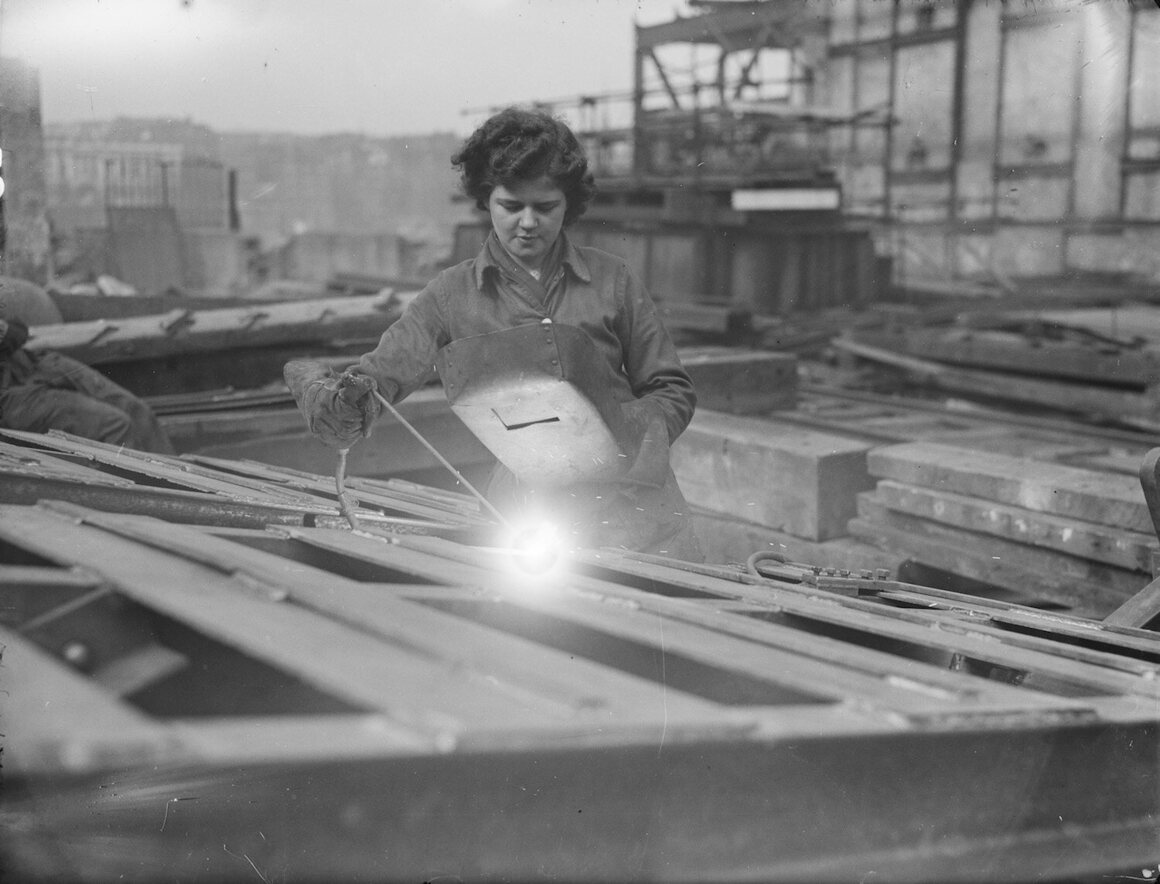
During the new bridge’s opening ceremony, on December 10, 1945, then-Deputy Prime Minister Herbert Morrison had declared that “the men that built Waterloo Bridge are fortunate men.” It wasn’t until 2015 that the hard work of these women could be confirmed, by the historian Christine Wall, thanks to a series of photographs she found.
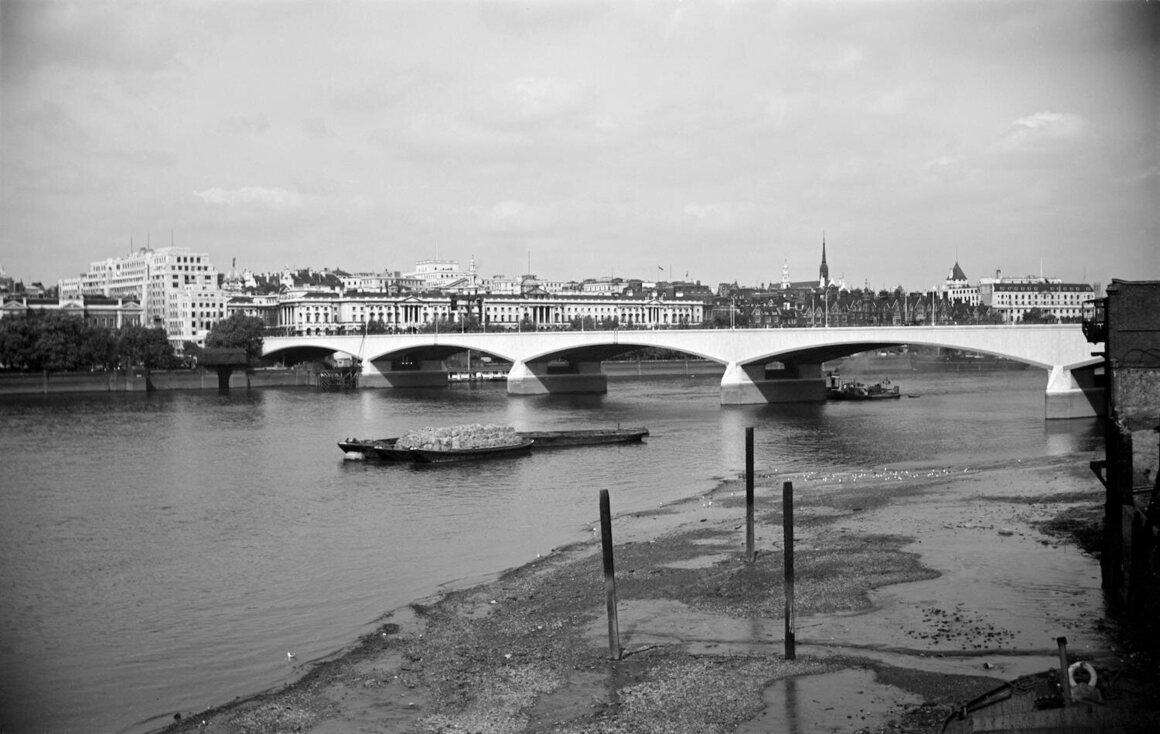
Eight years prior to her discovery, Wall had collaborated with the filmmaker Karen Livesey on a documentary called The Ladies Bridge. It explores the stories of women working on Waterloo Bridge and records first-hand the experiences of a variety of wartime workers who were women. “There was jobs galore. There was absolutely jobs galore. You could go anywhere,” recounts one woman in the film.
But as Wall notes in the film, despite well-documented accounts of women working in munitions factories, or on the railway, stories of women who worked in construction during the war are quite rare. According to Wall, nearly 25,000 women were working in the British construction industry by 1944. (Some things don’t change: she also notes that wartime women construction workers were paid far less money than their male counterparts). Wall did manage to find photographs in the Imperial War Museum’s archive of women construction workers during the war —but nothing relating to the bridge.

-
Donna Auguste One of the most well-known of these products, the Newton Personal Digital Assistant , owes its development to Donna Auguste, a former senior engineering manager at Apple.
Auguste holds various patents related to her work on the Newton. Prior to her tenure at Apple, she conducted research into artificial intelligence at Carnegie-Mellon University, where she earned a master’s degree in computer science. In 1996, she founded Freshwater Software, a company that provided software solutions for monitoring web-based applications.

Katherine Johnson
Without Katherine Johnson, the United States might never have reached the moon.
In 1953, Johnson became an original member of the West Area Computers, a group of women at NASA (then called NACA) tasked with number crunching and calculations for guidance and navigations systems. When NACA transitioned to become NASA in 1958 Johnson became the only woman and person of color on NASA’s Space Task Force, a group meant to spearhead efforts towards making the US the first country to reach the moon




 Ongoing Information & Trends: A Weblog